Sweaty hands are the enemy of a good deadlift. You grip the bar, it slips, and suddenly the set is about survival instead of strength. Gym chalk fixes that, but the options get confusing fast: blocks, balls, powder, liquid. If you just want cheap magnesium carbonate chalk that does the job without covering your home gym in dust, the SPRI Chalk Block & Chalk Ball is worth a look. Here is my honest review after using it.
We earn a commission if you buy through links on this page, at no extra cost to you.
The SPRI Chalk Block is exactly what it looks like: a plain 2 oz block of magnesium carbonate chalk, sold in singles, 4-packs, and 8-packs, with a chalk ball version for mess-free application. It is not fancy, and it is not trying to be. For a home gym where you just need dry hands for deadlifts, pull-ups, and kettlebell work, it works.
Who it is for: home gym owners who want cheap, no-frills chalk and do not care about premium blends or scents. Who should skip it: climbers who want a specific texture or drying agent, and anyone who hates chalk dust entirely — that is what liquid chalk is for.
If that sounds like you, check current pricing on the SPRI chalk 4-pack at Amazon before you read on — it is usually one of the cheapest ways to stock a home gym.
What Is the SPRI Chalk Block & Chalk Ball?
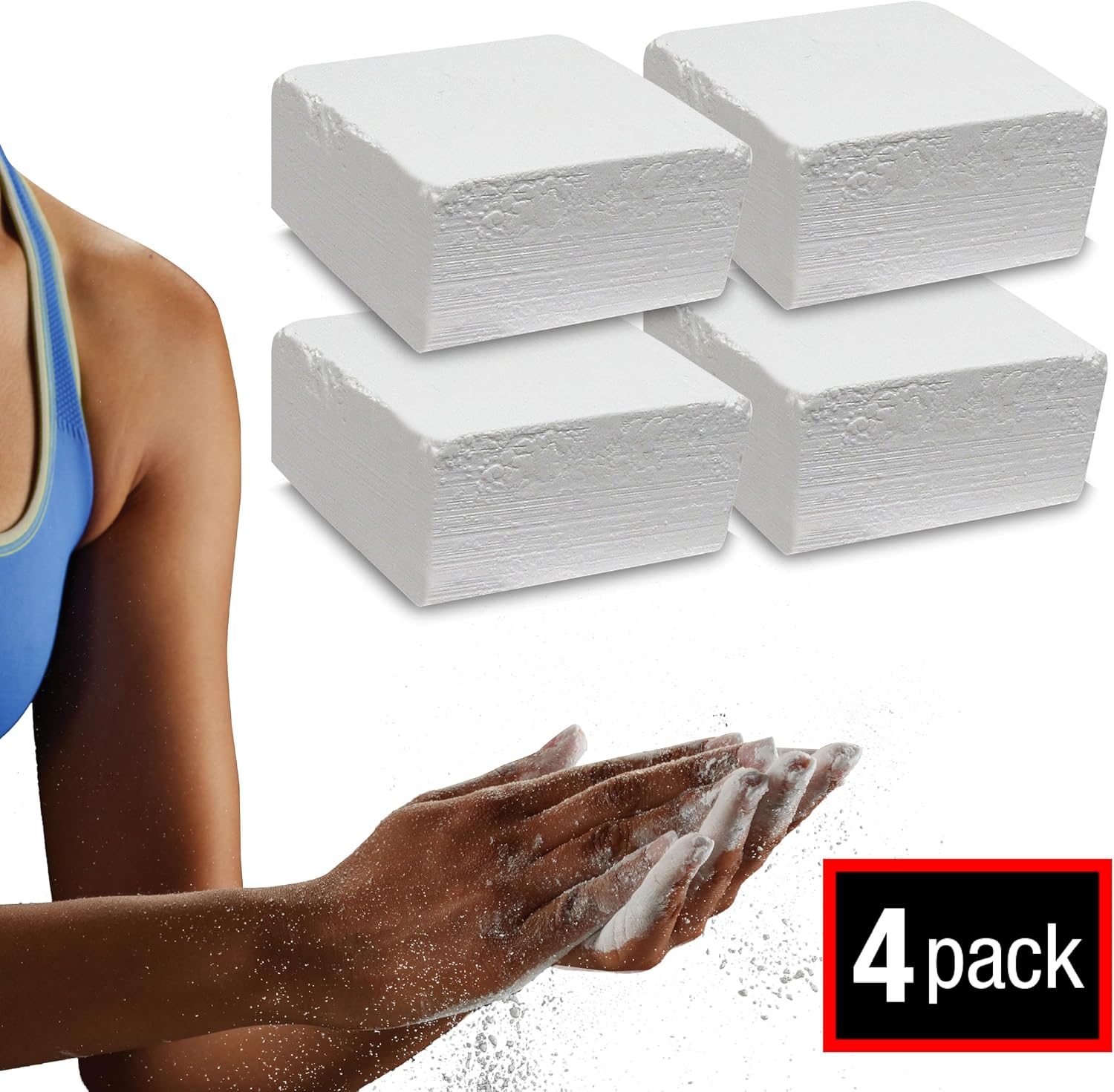
The listing sells 2 oz blocks of magnesium carbonate chalk — pigment-free and non-toxic, per the listing — plus a chalk ball version for applying chalk without the mess. The blocks break apart easily to refill a chalk bag, a Ziploc, or a small Tupperware container, which is how most people store them between sessions.
Garage Gym Reviews describes SPRI blocks as “an inexpensive option when it comes to chalk blocks, costing less than a dollar per ounce,” though they note they did not test this chalk for their roundup. That is the honest summary: it is a budget product, priced like one, and it performs like standard chalk.
Using it is straightforward. Rub the block directly on your palms and fingers, then rub your hands together to spread an even layer. If you prefer the ball, squeeze it gently over each hand until you have the coverage you want. When a block gets low, break off a piece, crumble it into a container, and use it as loose chalk — the listing says the block is designed to be broken apart to refill a chalk bag.
| Spec | Detail |
|---|---|
| Chalk type | Magnesium carbonate block |
| Size | 2 oz per block |
| Pack options | Single, 4-pack, 8-pack |
| Formats | Block and chalk ball |
| Additives | Pigment-free, non-toxic (per listing) |
| Best for | Deadlifts, pull-ups, kettlebells, gymnastics, climbing, yoga |
| Price | Check current pricing on Amazon |
Chalk Ball vs Chalk Block: Which Should You Use?
This is the question most people ask, and the SPRI line covers both formats. A chalk ball is a mesh pouch filled with chalk: you squeeze it to dust your hands, and it keeps loose chalk contained. Garage Gym Reviews says chalk balls are “great at keeping chalk use to a minimum, dispensing chalk only when squeezed.”
The tradeoff is coverage. Treeline Review, which tested chalk balls for climbing, notes a ball is “slower to coat the hands and harder to get a heavy application.” A block lets you draw a thick layer exactly where you want it, but it crumbles and can be messier.
Which one you pick comes down to where you train. In a home gym, the ball keeps chalk off your floor and equipment, which means less sweeping and less chalk dust in the air. If you train at a commercial gym that allows chalk, a block in a small container is easy to carry and gives you a thicker coat for heavy sets. Climbers usually prefer loose or block chalk in a chalk bag, while gymnasts and lifters often use whatever the gym provides.
For a home gym, the ball is the cleaner daily driver. Keep a block around for refilling the ball or for heavy sessions where you want more chalk on your hands. See the SPRI chalk block and chalk ball on Amazon if you want both options in one order.
How It Performs for Sweaty Hands
I bought this for my home gym, and it does what chalk is supposed to do. My hands sweat during workouts, and this keeps them dry enough that the bar does not slip. The ball applies easily with no mess — no chalk clouds, no powder all over the floor. I have no issues with it. It is just chalk, nothing special, but it works.
The mechanism is simple. Magnesium carbonate does not dissolve in water, so instead of washing away with sweat, it absorbs moisture and leaves a dry layer between your skin and the bar. Garage Gym Reviews explains that dry hands mean better grip and less risk of blisters and torn calluses during heavy reps.
One thing I appreciate is that the ball does not dump chalk everywhere when you set it down. It sits in its own little pouch, so the chalk stays inside until you squeeze it. That matters more than you would think in a home gym, where chalk dust ends up on your floor, your rack, and your barbell knurling if you are not careful.
What Buyers Complain About
No product is perfect, and the honest downsides here are worth knowing before you buy:
- It is just chalk. No skin-conditioning oils, no fancy drying agents. If you want premium, look at Primo or Friction Labs instead.
- Blocks can crumble. A gymless.org review of the SPRI chalk lists “crumbles easy” and “can be messy when applied to your hands” as its main cons.
- Chalk dries out hands. Regular chalk use can leave skin dry and calluses brittle, according to weightlifting community reports. Wash and moisturize after sessions.
- The ball gives lighter coverage. Because it only dispenses chalk when squeezed, heavy sweaters may need to reapply more often than with a block.
Who Should Buy It (and Who Should Skip)
Buy it if: you train at home, your hands sweat, and you want cheap chalk that works without a mess. The 4-pack is a low-risk way to test whether chalk helps your grip at all.
Skip it if: you want premium chalk with skin conditioning, your gym bans powder chalk (that is liquid chalk territory), or you climb and need a specific texture or drying agent.
If you are new to chalk and not sure it will help, the 4-pack is a cheap experiment. Worst case, you are out a few dollars and you have chalk for the occasional session. Best case, your grip stops being the limiting factor in your lifts.
FAQ
Is SPRI chalk block good for weightlifting?
Yes. It is plain magnesium carbonate, the same material most gym chalk is made from. It keeps hands dry for deadlifts, pull-ups, and kettlebell work. It is not premium, but it does the job at a budget price.
Chalk ball vs chalk block — which is less messy?
The ball. It dispenses chalk only when squeezed, so loose powder stays contained. Blocks crumble and can leave chalk dust everywhere. The tradeoff is that the ball gives a lighter coat, so you may reapply more often.
How long does a 2 oz chalk block last?
That depends on how often you train and how much you reapply. Garage Gym Reviews notes a 1-pound box of blocks — eight 2 oz blocks — lasts months in a home gym, so a 4-pack covers most people for a long time.
Is gym chalk safe?
The listing states the chalk is pigment-free and non-toxic. Magnesium carbonate is the standard material in gym and climbing chalk. It can dry out skin with heavy use, so wash and moisturize after training.
Does chalk help with sweaty hands?
Yes. Magnesium carbonate absorbs moisture instead of dissolving in it, keeping a dry layer on your hands. That is why lifters, gymnasts, and climbers have used it for decades.
Can you use SPRI chalk for climbing?
Sure. Magnesium carbonate is the standard climbing chalk, and the block format is easy to crush into a chalk bag. The ball also works for quick re-chalks between attempts. If you climb outdoors, check local rules — some areas restrict chalk use.
Final Verdict
The SPRI Chalk Block & Chalk Ball is not the most exciting piece of gear in a home gym, and it does not pretend to be. It is cheap, plain magnesium carbonate chalk that keeps sweaty hands dry, and the ball version makes application clean and mess-free. If that is all you need, this is a solid budget pick.