Every mechanic has a story about the bolt that wouldn’t come out. The 100,000-mile spark plug that fought you the whole way out. The exhaust manifold stud that snapped flush with the head. Copper anti-seize is the cheap insurance that makes those stories rarer. Brush it on during assembly and the same fasteners come apart years later like they were installed yesterday. This is the Versachem 13010, an 8-ounce brush-top bottle cheap enough to keep in every toolbox.
We earn a commission if you buy through links on this page, at no extra cost to you.
If you wrench on cars, trucks, tractors, or anything that sees heat cycles, this belongs in your box. Versachem rates the 13010 up to 2000°F, and the manufacturer’s suggested applications read like a list of every fastener that ever ruined a Saturday: exhaust manifolds, head bolts, EGR valves, turbocharger bolts, intake manifolds, spark plug threads, brake assemblies, and cylinder heads. Skip it if you only do oil changes, or if you’re about to put anti-seize on NGK spark plugs, because NGK says don’t.
I run this stuff on just about everything I assemble. I do heavy mechanic work in a dry state, so rust isn’t my main enemy. Heat is. Fasteners seize on their own after enough heat cycles, and copper anti-seize is what keeps them from doing it. Check current pricing on Amazon before you decide.
What Copper Anti-Seize Actually Is
Anti-seize is a grease that coats threads so they don’t gall, corrode, or stick together under heat and pressure. The Versachem 13010 is a high-temperature semi-synthetic grease with a high percentage of micro-fine copper flakes, fortified with rust and corrosion inhibitors. The copper is the active ingredient: it stops the two metal surfaces from galling and seizing together under heat and pressure.
Versachem’s own description is blunt: it prevents galling, corrosion, sticking, and seizing, and it helps reduce wear in heavy-pressure applications. You use it during assembly to assure easier disassembly. That’s the whole job, and it does it well.
One thing to know before you buy: this is not a bearing lubricant. Versachem says so explicitly. The formula contains petroleum distillates, synthetic base oils, copper, and graphite, so wash your hands after handling it and keep it away from skin and eyes.
Versachem 13010 Specs at a Glance
| Spec | Detail |
|---|---|
| Size | 8 oz bottle with brush-top applicator |
| Temperature rating | Up to 2000°F per Versachem |
| Base | High-temperature semi-synthetic grease |
| Additives | Micro-fine copper flakes, rust and corrosion inhibitors |
| Suggested uses | Exhaust manifolds, head bolts, EGR valves, turbocharger bolts, intake manifolds, spark plug threads, brake assemblies, cylinder heads |
| Not for | Bearing lubrication |
| Price | Check current pricing on Amazon |
Where Copper Anti-Seize Earns Its Keep
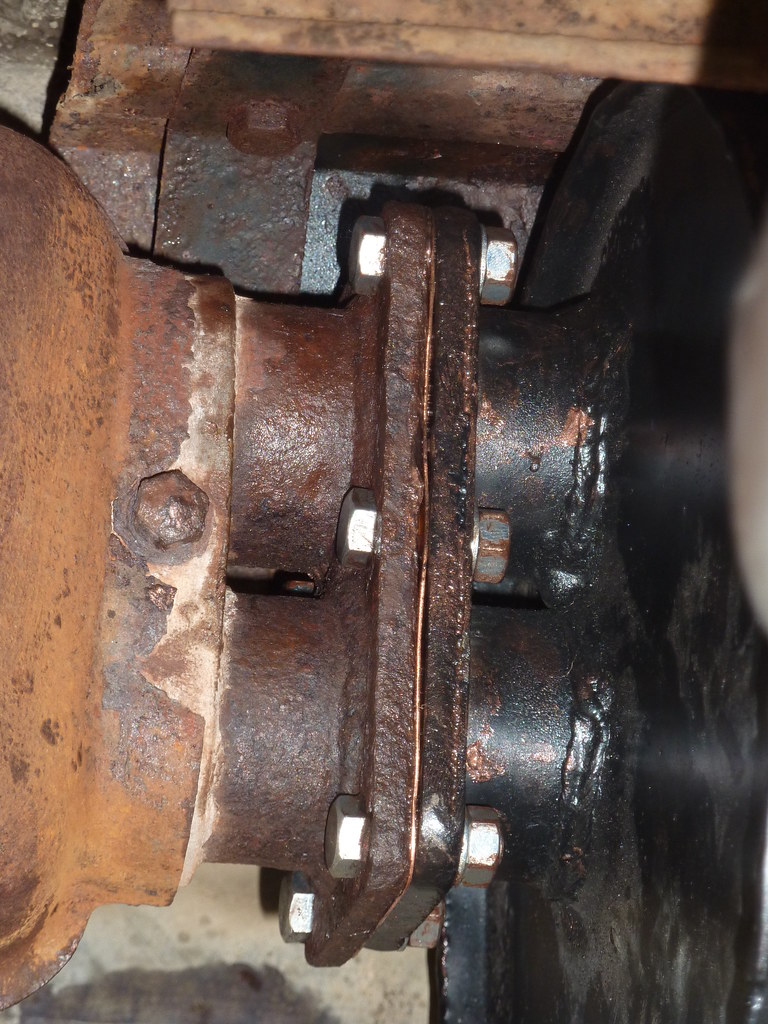
Exhaust and turbocharger bolts. Nothing seizes faster than a bolt that lives at high temperature and cools down, over and over. Copper anti-seize on manifold and turbo studs is the difference between a clean removal and a broken-stud extraction.
Head bolts and intake manifolds. Same logic, higher stakes. A seized head bolt turns a routine job into a machine-shop visit.
Brake assemblies and hubs. Versachem lists brake assemblies in its suggested applications. If you travel through rainy or salty states, a thin coat on hub studs means a roadside flat-tire change doesn’t turn into a fight with a seized wheel.
Spark plug threads. This is where the product earns its reputation. Plugs that have been in an engine for 100,000 miles usually come out with a breaker bar and some bad words. Plugs installed with a coat of anti-seize come out like butter. Versachem lists spark plug threads as a suggested use, but read the caveat below before you do it.
Where Not to Use It
On NGK spark plugs. This is the big one, and it’s a genuine conflict. Versachem lists spark plug threads as a suggested use, but NGK, one of the biggest plug makers in the world, says the opposite. From NGK’s own resources: “Do not use anti-seize or lubricant on NGK spark plugs. It is completely unnecessary and can be detrimental.” NGK warns that anti-seize can alter torque values, which can lead to over-tightening and damage to the plug or the cylinder head threads.
So who do you trust? The plug manufacturer. If you’re installing NGK plugs, follow NGK’s instructions and skip the anti-seize. If you’re installing a brand that recommends it, follow their spec. When a manufacturer gives you a torque spec, they’re assuming clean, dry threads unless they say otherwise.
As a bearing lubricant. Versachem is explicit: this is not a bearing lubricant. Don’t pack wheel bearings with it.
Anywhere a torque spec matters. The same torque-alteration issue NGK warns about applies to any fastener with a critical torque spec. Anti-seize changes the friction between threads, which changes how much clamping force you get at a given torque reading. If a manufacturer doesn’t account for it, follow their guidance.
On your skin. The formula contains petroleum distillates. Versachem’s warning says to avoid contact with skin and eyes, wash thoroughly with soap and water after contact, and keep it out of reach of children.
How to Apply It
Versachem’s instructions are three steps: thoroughly clean dirt and grease from the parts, brush the compound onto both threaded surfaces, and assemble normally.
A thin coat is all you need. You’re not packing the threads, you’re covering them. The brush-top bottle is the right tool for this: dip, brush, assemble, done. Versachem notes that thinning is not recommended and the product contains no VOCs.
FAQ
Should I use anti-seize on spark plugs?
It depends on the plug manufacturer. Versachem lists spark plug threads as a suggested use, but NGK explicitly says not to use anti-seize on its plugs because it can alter torque values and lead to over-tightening. Follow the plug maker’s instructions. When they give a torque spec, they assume clean, dry threads unless they say otherwise.
How hot can the Versachem 13010 handle?
Versachem rates the copper formula up to 2000°F. That covers exhaust manifolds, turbocharger bolts, and everything else a passenger vehicle throws at a fastener.
Can I use it on lug nuts and hubs?
Versachem lists brake assemblies in its suggested applications, and coating hub studs before a trip through rainy or salty states is a habit I’ve picked up. It makes a roadside tire change much less painful. Just keep it off the rotor friction surface.
Is copper anti-seize a substitute for bearing grease?
No. Versachem states explicitly that this product is not a bearing lubricant. It’s for threads and assembly surfaces, not rotating components. Use the right grease for bearings.
Bottom Line
Copper anti-seize is one of those products you don’t appreciate until the day it saves you from a seized bolt. The Versachem 13010 is a solid, no-frills version: 8 ounces of high-temperature copper formula with a brush-top applicator, rated to 2000°F, and priced like a consumable rather than a specialty tool. Check current pricing on Amazon.
Buy it if you wrench on anything with heat cycles. Skip the spark-plug application if you run NGK plugs. And keep a bottle in the truck if you ever drive through salt country, because the day you need it, you’ll be glad it’s there. Grab the Versachem 13010 here.
Image credits: featured photo “Thor’s hammer, monkey wrench, Crescent wrench, and anti-seize compound P1010205” by el cajon yacht club, CC BY 2.0. In-article photo “New silencer to heat exchanger joint” by Bryn Pinzgauer, CC BY 2.0.