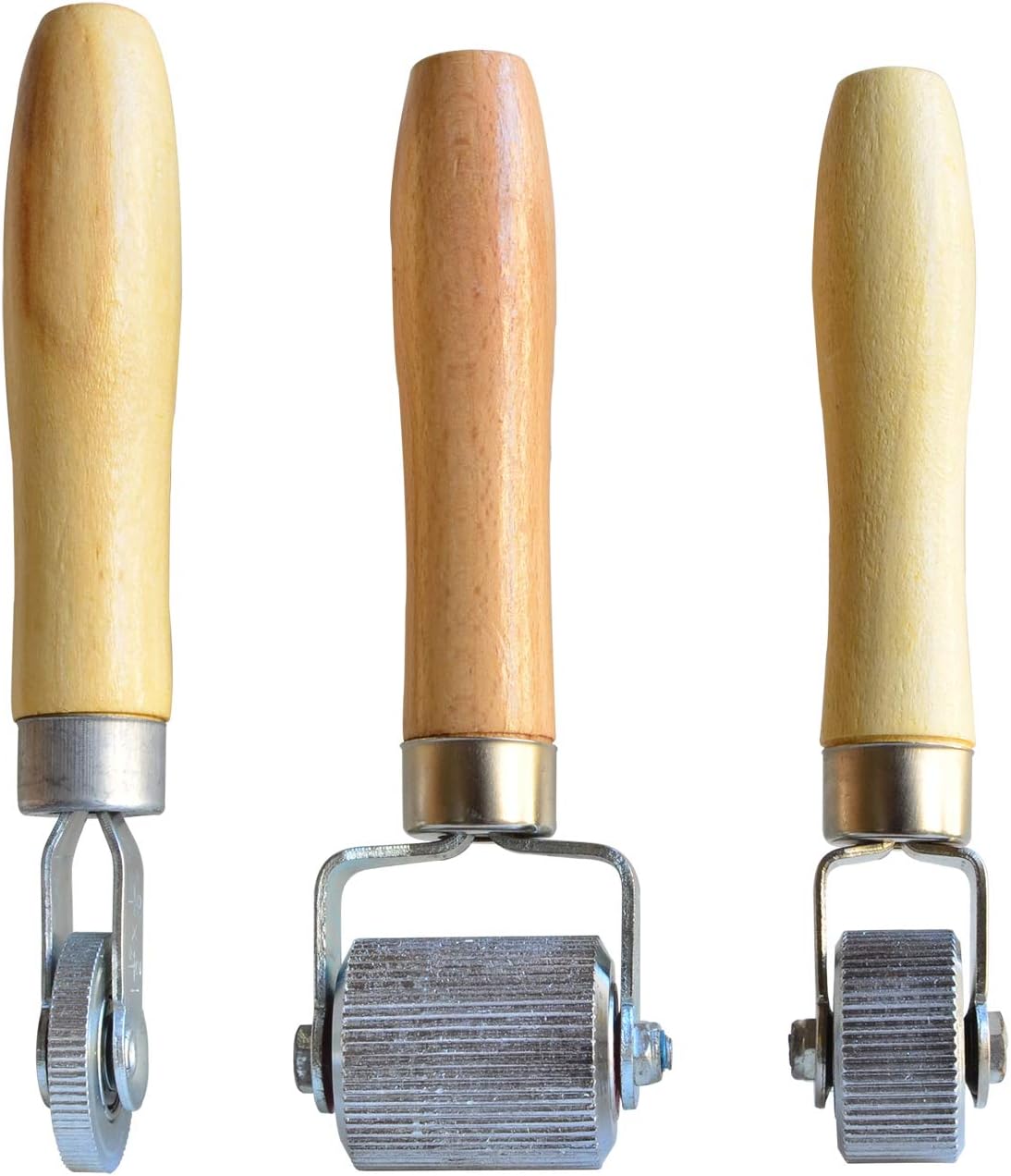
I bought a 3-piece car sound deadening roller set before tackling my first full sound-deadening install, and it turned out to be the tool that made the job actually work. The original listing I ordered from is gone, but this ITEQ set is the same style of tool — three metal rollers on steel brackets — and it’s what I’d buy again today.
As an Amazon Associate I earn from qualifying purchases. I bought this product myself.
Quick verdict
If you’re sound-deadening a car, get a roller set. Pressing deadener mats down with your hand leaves air pockets and weak spots, especially over the bumps and sharp curves every car body has. This 3-piece set — 6mm, 20mm and 40mm rollers — covers tight seams, everyday panels, and big flat surfaces, and mine has held up through multiple full installs. check current price on Amazon
Why I bought it
I was about to sound-deaden an entire car and quickly realized the difference between laying the material down and actually bonding it. The listing made the case: textured metal wheels that press mats evenly, a riveted steel bracket, and three sizes so one set handles everything from seams to large surfaces. I’d read enough install stories to know that hand-pressing deadener over compound curves is how you end up with rattles and bubbles later. I wanted the right tool the first time, so I ordered the set.
Sound deadening roller: what it’s like to use
The 40mm roller is the workhorse. For big flat panels — doors, floor sections, the trunk floor — it presses the mat down fast with even pressure across the whole width. The 20mm roller is what I reach for on everyday panels and the 6mm one for seams, edges, and the tight spots around braces and wiring channels.
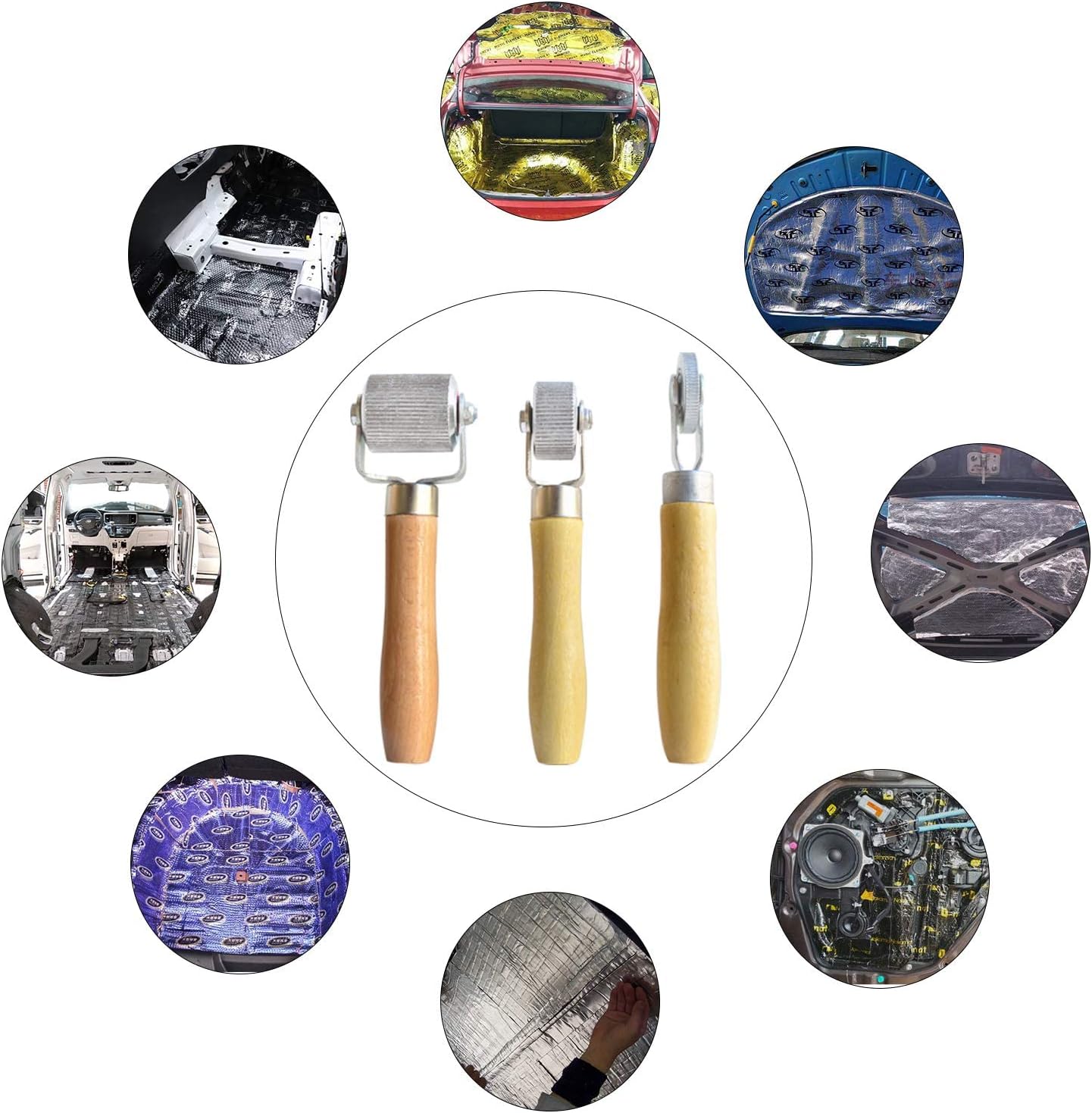
The difference versus laying it down by hand is real. These rollers force the deadener into the bumps and sharp turns that car bodies are full of, so the material actually adheres instead of just sitting on top. I did a whole car with this set and have since applied sound deadening to several more, and the tools are still holding up. No bent brackets, no seized wheels. For the money, they’ve paid for themselves many times over.
Key specs
| Spec | Detail |
|---|---|
| Roller sizes | 6mm, 20mm, 40mm |
| Wheel | Textured metal rolling surface |
| Bracket | Riveted steel |
| Best for | Sound deadening mats, insulation, vinyl, carpet, adhesive materials |
| ASIN | B082J3RSDY |
Who should skip it
If you’re only patching one small rattle spot or a single flat panel, a three-roller set is more tool than you need — a single roller or even a firm hand roller will do. And if every surface you’re covering is perfectly flat with no curves, the extra sizes won’t earn their keep.
FAQ
What sizes do the rollers come in?
The set includes three metal rollers: 6mm, 20mm, and 40mm. The 40mm handles broad surfaces, the 20mm is the everyday general-purpose size, and the 6mm works for seams, edges, and narrow detailed areas.
Can I use it for anything besides car sound deadening?
Yes. The listing notes it works for pressing vinyl, carpet, wallpaper, tape, and other adhesive materials where even pressure helps create a smooth, secure bond. It’s a general shop tool, not just a car audio one.
Why use a roller instead of pressing the mat by hand?
The textured wheels apply consistent pressure across the whole width of the material, which helps it conform to bumps and curves, improves contact with the panel, and minimizes trapped air bubbles. Hand-pressing tends to leave weak spots that show up later as rattles.
Bottom line
This 3-piece metal roller set is the difference between sound deadening that stays put and sound deadening that eventually rattles. It’s held up through a full car and several more installs, and the three sizes cover every part of the job. If you’re doing real sound deadening work, this is worth having in the toolbox. check current price on Amazon