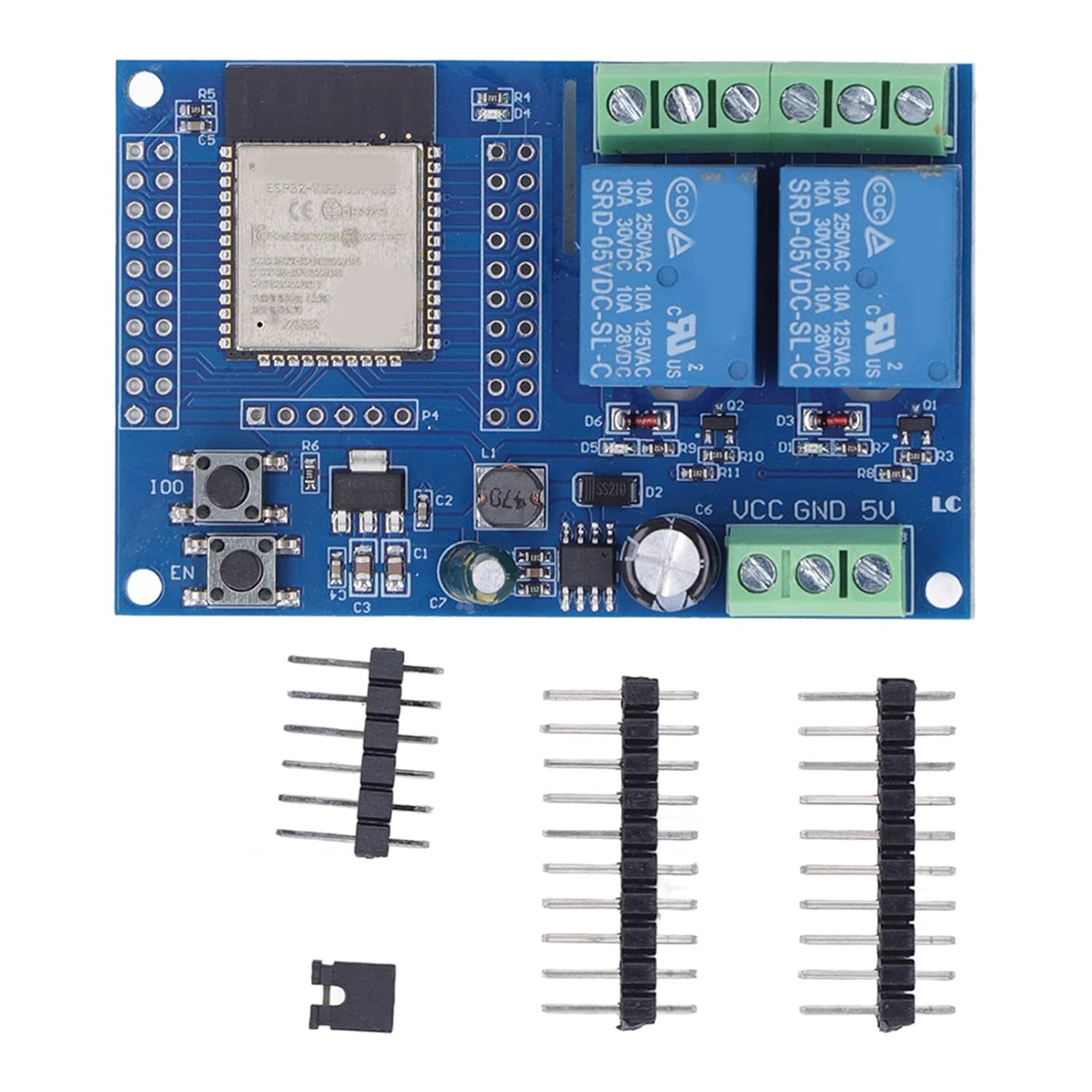
Five and a half months ago, my car got a kill switch. The board is a 2-channel ESP32 relay module, and it sits on the fuel pump ground — specifically the switching ground that runs to the PCM, which is low-voltage, low-current territory, exactly the kind of signal these little relays are built to pass. It has worked on every single key turn since. This is my esp32 relay module review: one tiny board, one daily driver, and about 240 starts so far.
As an Amazon Associate I earn from qualifying purchases. I bought this product myself and this is my own experience with it.
ESP32 Relay Module Review: Is It Worth It for a Kill Switch?
If you want to build a kill switch that answers to your phone, an RFID card, or a plain physical switch, this board is the shortcut: an ESP32 and two relays on one PCB. Honestly, this is about as good as this category of part gets. It is not plug-and-play, though — there’s no case in the box and you’ll be writing your own code — so if that sentence made you wince, it isn’t the right part for you. For everyone else: check current price on Amazon.
Why I Bought It
Before this, my options were nothing, or the plain toggle switches I’d used in other projects — flip on, flip off, done. Those work, but they’re dumb. What I wanted was more ways in: Wi-Fi, Bluetooth, spare pins for an RFID card reader, whatever I felt like adding. I went the long way and bought other pieces first, and the lesson was simple — a development board with the relays built in is the fastest all-in-one solution. Fewer wires, one thing to code, and the trigger options are already sitting on the board. I’m also the kind of person who prints his own cases and brackets instead of buying them (The Surprising Upgrade That Made My 3D Prints Look 10x Better), so a bare board didn’t scare me off.
What Five and a Half Months of Daily Starts Has Been Like
Here’s how it behaves. Power comes up when you flip the key, the board initializes, and it holds both relays off — nothing passes through. The car isn’t going anywhere until I deliberately activate it. From there: tap it from my phone, scan the little RFID card, or — if anything ever seems off — use the physical bypass switch I mounted just in case. A thousand ways to kill-switch a car, one little package.
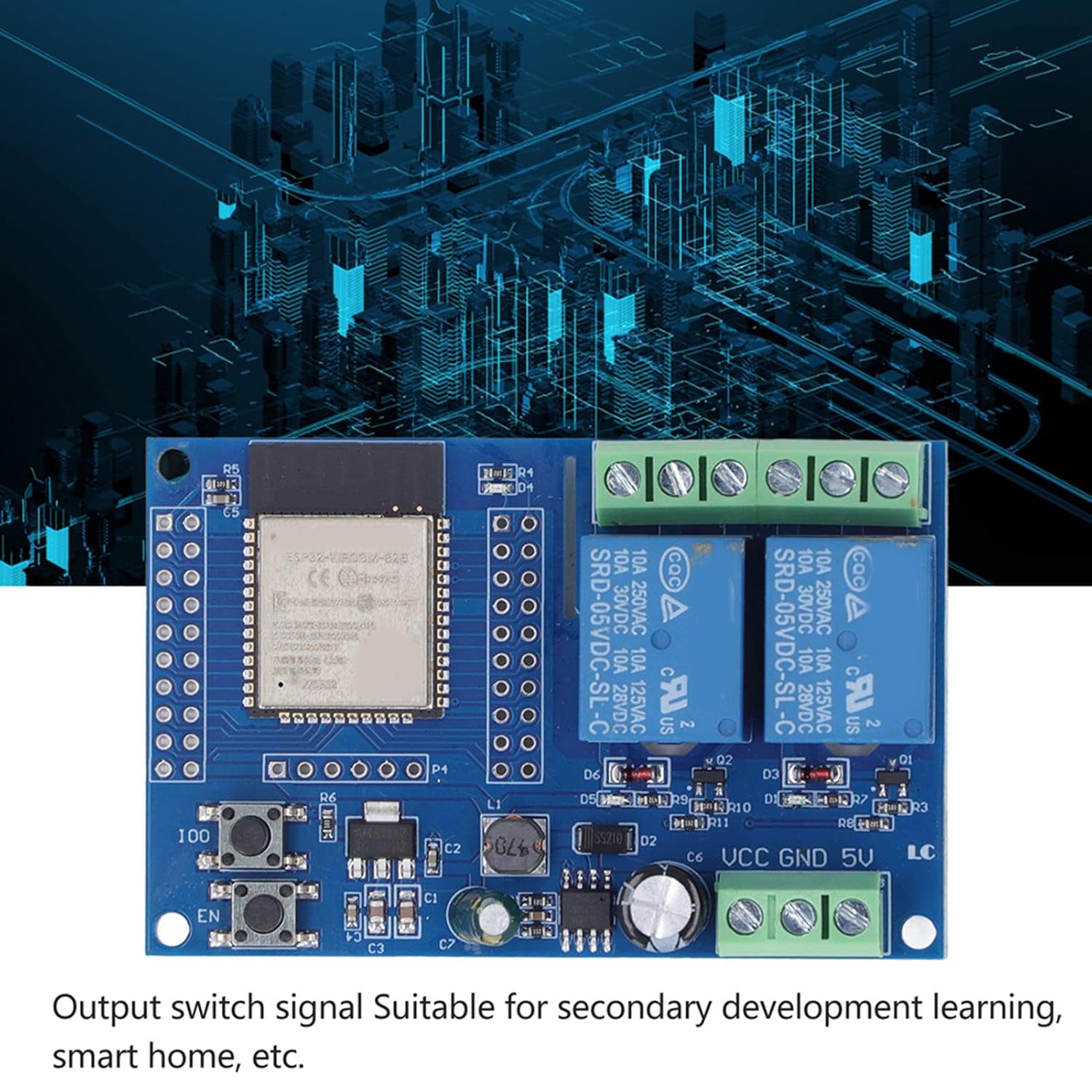
The part I liked from the start is that it’s just a ground signal, not a power line. You don’t need much electricity running through it at all, which is exactly why these relays were perfect for the job.
The moment it earns its keep is quieter than you’d think. It’s when the car sits somewhere by itself for a long stretch and I’m far away — I know it’s not going anywhere, and that reassurance is the whole point. On numbers: I leave the house about five days a week, out and back, so call it 240 key cycles since it went in. No battery weirdness, no wear I can find, and it has worked every single time — with one exception. Once, an activation didn’t take on the first try. I cycled the key, which power-cycles the board, waited a couple of seconds, and everything came back to normal. Best guess is a bad startup. It never repeated, and honestly I’d forgotten about it until now.
The next upgrade is more code: I want the board to watch for my home Wi-Fi and ping me if the ignition is on while I’m away — something like an NTFY push to my phone. That’s the fun of a board like this. It’s never quite finished.
What I’d Change: Bring Your Own Case
The one annoying thing is that nothing protects the board — no case at all. I printed my own, and you should plan on something similar; even a cardboard box or a scrap of that clear plastic they seal scissors in would do it. Otherwise you’re trusting a bare PCB not to short against something metal in a car. But I’ll be fair: it’s a development board, and developing your own solutions is the entire point. Be ready to develop.
Key Specs
The listing for this one is thin — no giant spec table to copy from. Here’s what matters for the job:
| Spec | Detail |
|---|---|
| Relay channels | 2 |
| Relay voltage | 5V |
| Controller | ESP32 with 4MB flash |
| Working voltage (as listed) | DC 5–60V |
Full details live on the listing — check current price on Amazon.
Who Should Skip This Board
Anyone who isn’t ready to develop their own solutions should skip it — that’s the honest line. If you don’t want to solder, you don’t want to write code (or get AI to write it for you), or you can’t turn a temporary project into a permanent one, this board will sit in a drawer. It’s for the cheapskate-artist type: someone who’d rather build the thing than buy it, and who actually enjoys that part.
FAQ
How does the ESP32 relay module connection work in a car kill switch?
In mine, the board only breaks the fuel pump ground — specifically the switching ground that runs to the PCM. That’s a low-current run, which is exactly why these little 5V relays are perfect for it. Key on, the board boots and holds both relays off, so nothing passes through. Activate it — phone, card, or switch — and the circuit goes live. It never has to carry pump power itself.
What happens if the board fails or glitches?
Plan for it, because electronics are electronics. That’s why I added a physical bypass switch: if anything ever acts up, flip it and the car behaves like a normal car. The board also glitched exactly once — an activation didn’t take on the first try, I cycled the key, and it went back to normal. For five and a half months of daily driving, that’s the entire failure log.
Can you activate it with something other than your phone?
Yes — that’s half the fun. Mine can be released from a phone, an RFID card, or the physical switch, and the ESP32 has pins left over if I want to add triggers down the line. I run several methods side by side: card or phone for daily use, and the switch as a backup. More ways in is why I chose a board like this over a plain switch.
The Bottom Line
Five and a half months, about 240 starts, one minor hiccup, zero regrets. If you want a kill switch you built yourself — phone, card, or switch — this 2-channel ESP32 relay board is the right kind of starting point: dumb enough to be reliable, smart enough to be fun. check current price on Amazon